
You already have solar and need to confirm inverter, switchboard, and monitoring compatibility.
Residential storage / Melbourne and surrounding areas
Solar battery storage for Melbourne homes.
We plan residential solar battery storage systems around the home: existing solar, evening load, tariffs, backup goals, inverter compatibility, and switchboard readiness are checked before capacity or product choice is final.
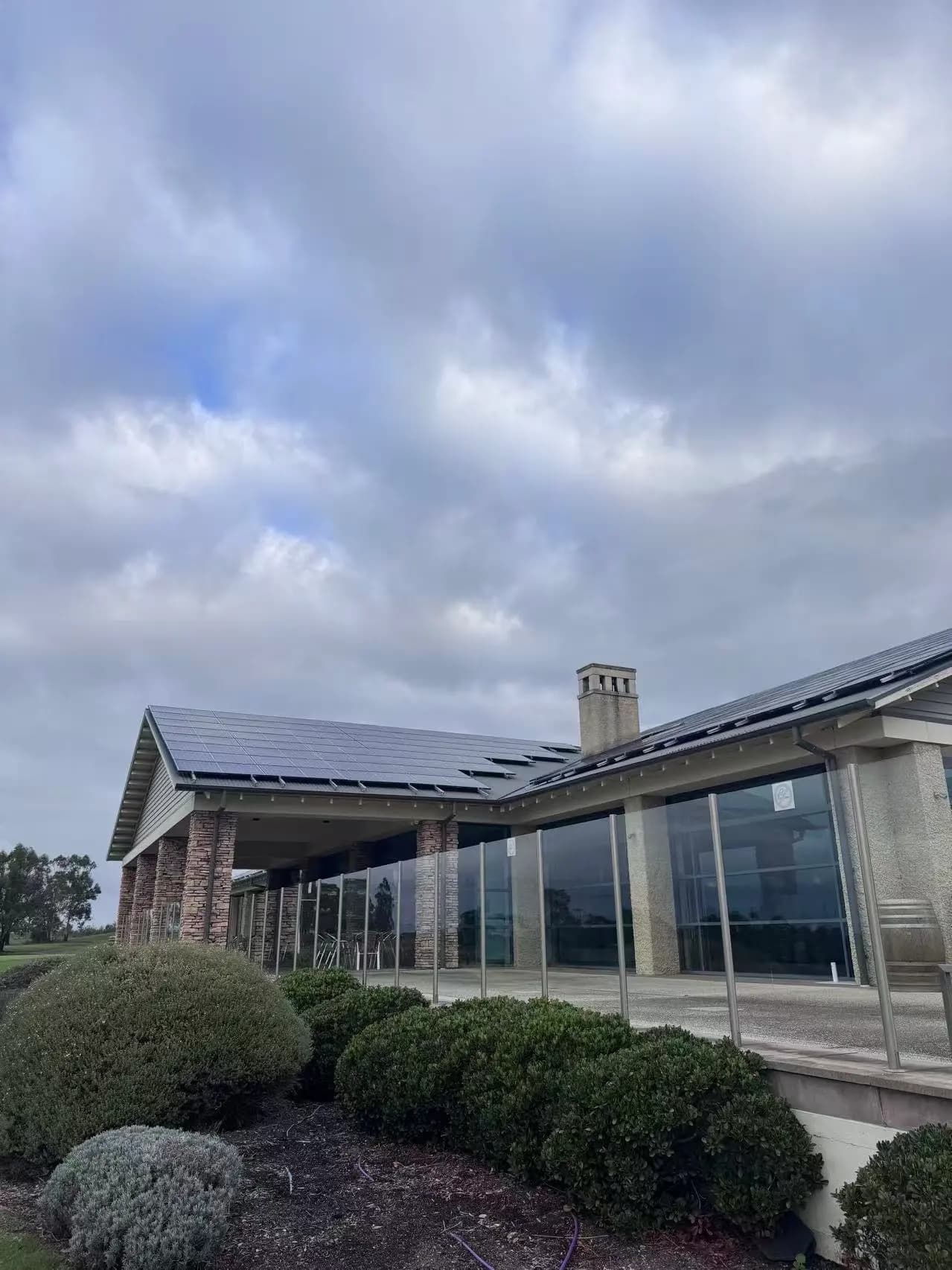
Start withPostcode, recent bill, current solar, evening load.
Enough to begin a site-specific storage review.
Existing systemCompatibility checked
Backup goalScope explained first
Service areaMelbourne and surrounding areas
Existing solarCompatibility checked
Backup scopeCircuits and mode explained
HandoverMonitoring, records, warranty notes
Fit check
When a storage review is worth doing.
Battery capacity, backup scope, or product pathways do not line up between quotes.
You need selected circuits or broader backup explained before choosing capacity.
EV charging, cooling, renovation, or changing tariffs may alter the storage path.
Before quoting
Six checks decide whether the quote is useful.
The storage pathway should match household behaviour and site constraints, not just a catalogue battery size.
When the home uses power
Daytime use, evening use, cooling load, EV plans, and work-from-home habits change what size makes sense.
What the roof can really take
Roof direction, pitch, material, shade, usable space, and access decide the panel layout.
What can change the price
Switchboard position, roof access, multiple roof faces, and site constraints can affect the final scope.
Which inverter path fits
The inverter should match the roof layout, monitoring needs, phases, and any future battery plan.
Battery now or later
Some homes need storage now. Others only need a solar system that does not block a later battery upgrade.
What happens after install
Monitoring access, product records, warranty notes, and normal generation expectations should be clear.
Melbourne battery planning
One solar battery storage system, matched to the property.
Melbourne homes differ in roof space, existing equipment, switchboards, tariffs, evening demand, and backup priorities. The system path should reflect those differences instead of repeating a standard package.
Plan solar and battery storage together
Panel layout, hybrid inverter, battery capacity, monitoring, export settings, and future EV charging can be considered as one home energy system.
Add a battery without guessing compatibility
The current inverter, array, metering, and switchboard determine which retrofit path is practical. See our existing-solar battery process.
Keep backup, incentives, and handover visible
A useful proposal explains backup limits, operating mode, product records, and the assumptions behind any rebate or STC guidance.
Comparing quotes
A clear quote shows the assumptions.
The point is not more paperwork. It is making the recommendation easy to compare before installation is booked.
Product path
Map the system before comparing brands.
Panels, inverter, monitoring, and battery storage have to work together. Brand comes after compatibility.
Panel fit
Roof space, shade, orientation, and the target system size decide which panel option is worth comparing.
Inverter path
The inverter needs to match the roof layout, phase requirements, monitoring, export settings, and product availability.
Battery-ready choice
If storage is likely now or later, the system should keep future battery, backup, and monitoring options practical.
Panel range Tongwei
 Jinko Solar
TongweiJinko SolarInverter and battery-ready range Fox ESS
 SOFAR
SOFAR Deye
Deye Sigenergy
 Solis
Solis AlphaESS
Fox ESSSOFARDeyeSolisAlphaESSIntegrated home energy
Home solar, storage, and EV charging as one system.
Rooftop generation, battery storage, and EV charging can share one plan when household load, switchboard capacity, inverter compatibility, tariff settings, and future charging are reviewed together.
SolarStorageEV charging
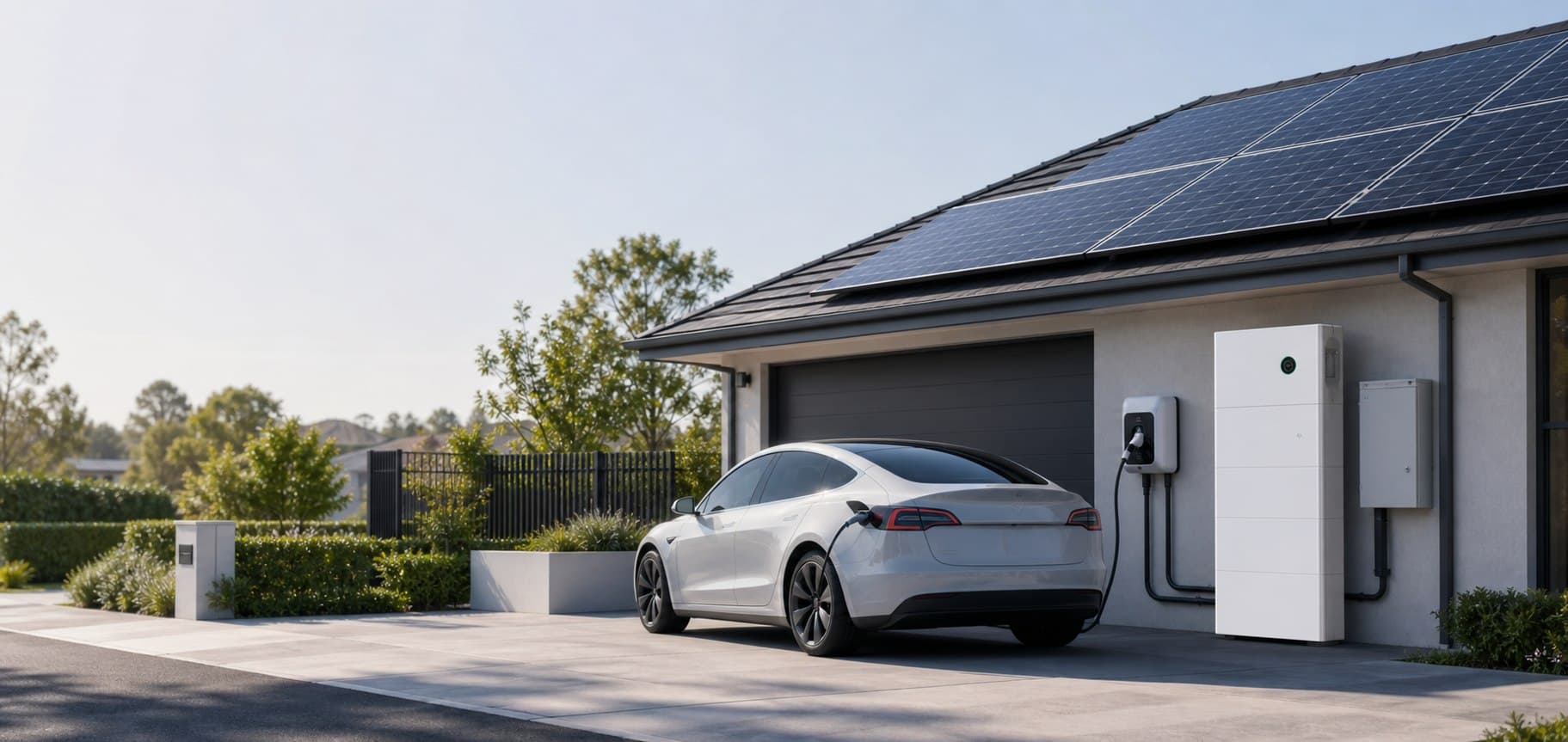
Complete pathwayGenerate. Store. Charge.
Generation planned around roof fit, daily load, and export settings.
Battery capacity and backup expectations checked before product selection.
Charging pathway considered with future load, tariffs, and everyday use.
Choose your pathway
Compare four storage pathways.
These are starting points, not packages. Final selection is confirmed only after existing equipment, household load, backup goals, placement, and site constraints are checked.
4-10kWInverter
+3.8-45.6kWhBattery
Choose this when a smaller home needs a neat battery path, simple monitoring, and everyday backup planning.
- Best for
- Smaller homes
- System style
- Compact
- Decision cue
- Simple backup
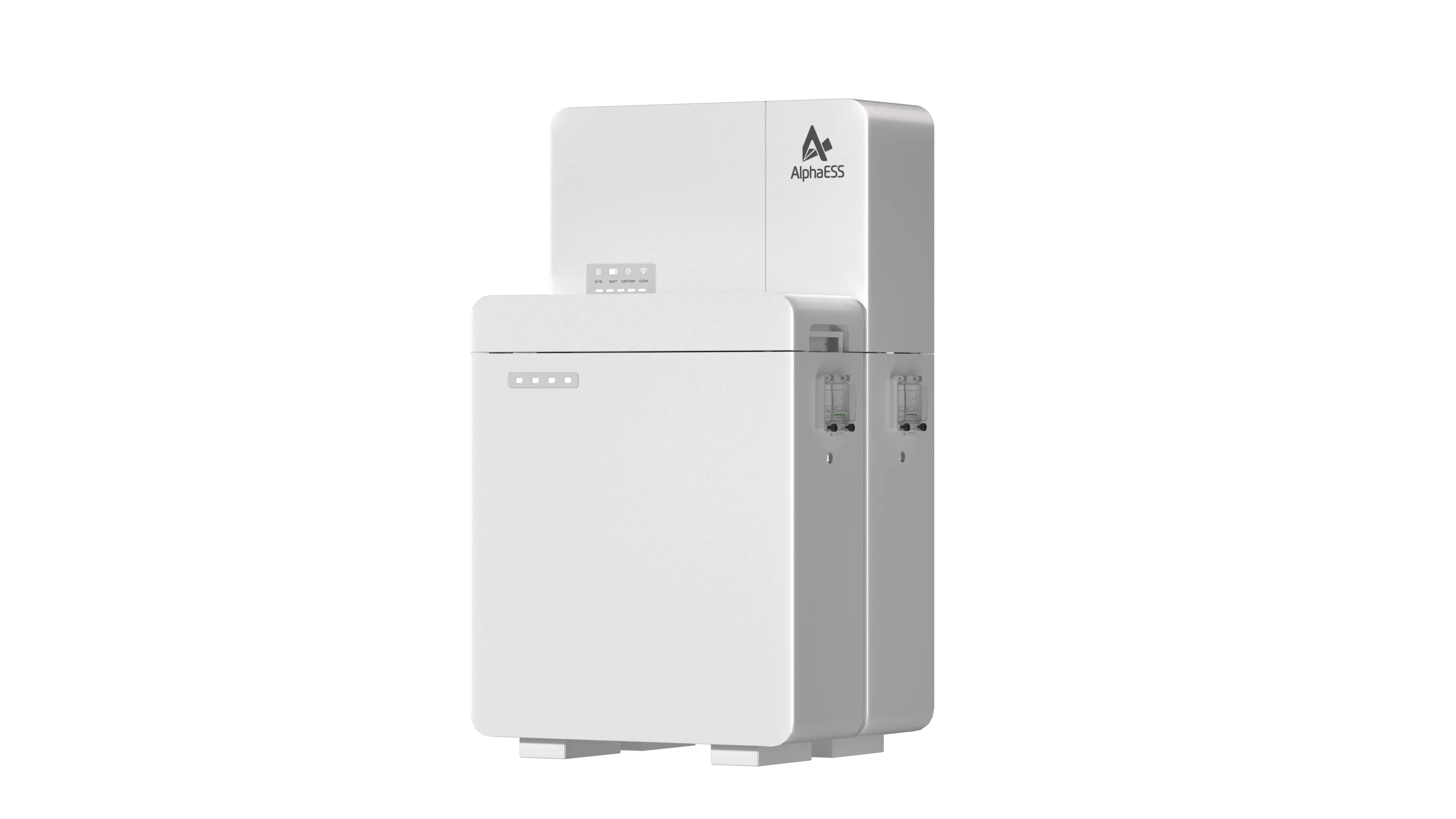
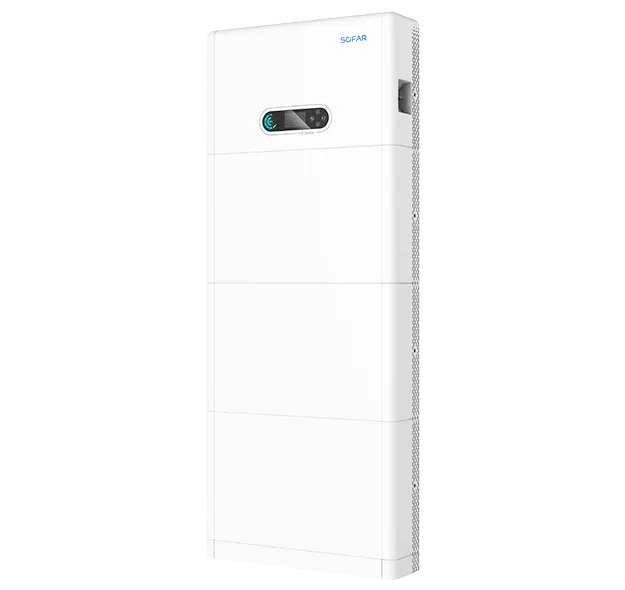
5-15kWInverter
+9-42kWhBattery
Choose this when capacity may grow over time and flexible placement or WarmControl management matters.
- Best for
- Growing storage
- System style
- Stackable
- Decision cue
- Flexible site
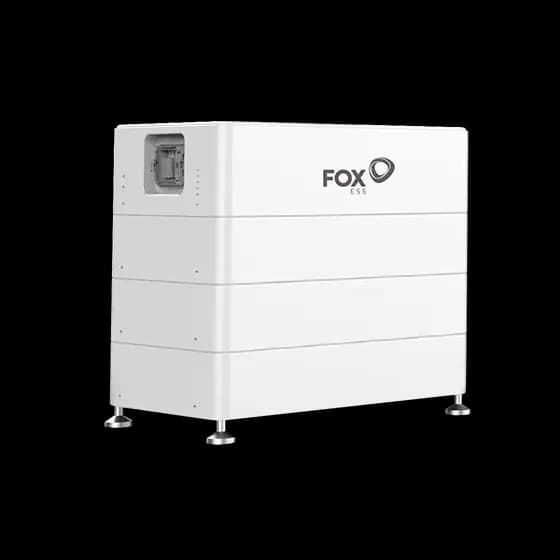
5-12kWInverter
+5-30kWhBattery
Choose this when solar, inverter selection, battery readiness, and monitoring need to work together.
- Best for
- Solar + battery
- System style
- Hybrid
- Decision cue
- Monitoring
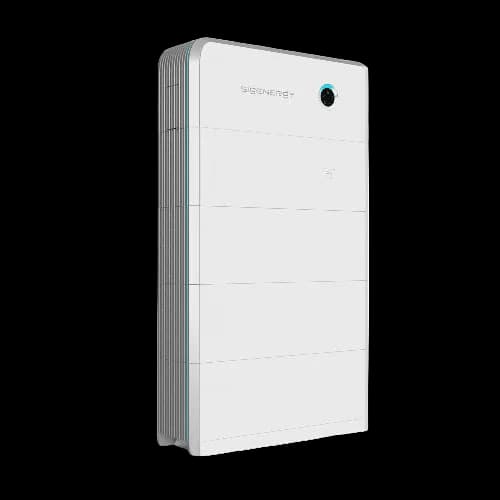
5-30kWInverter
+5-48kWhBattery
Choose this when the brief is integrated storage, stackability, and a broader backup pathway where supported.
- Best for
- Backup scope
- System style
- Integrated
- Decision cue
- Whole-home path
Handover records
The product decision is not finished at installation.
Good records make warranty, maintenance, monitoring, and future upgrades much easier to handle after the installer has left site.
- Panel, inverter, and battery model details
- Serial numbers where relevant
- Monitoring app or portal access
- Warranty documents and support pathway
- Handover notes for future upgrades
Solar battery questions
What Melbourne homeowners usually need to confirm.
The right answer depends on the property and the operating goal. These are the checks that usually shape the first useful recommendation.
Can I add battery storage to an existing solar system?
Often, yes. The existing inverter, solar array, switchboard, metering, monitoring access, and preferred backup setup all need to be checked before an AC-coupled or hybrid pathway is recommended.
How is a home battery sized?
Useful battery capacity depends on daytime solar surplus, evening and overnight electricity use, tariff settings, backup priorities, seasonal demand, and future loads such as EV charging.
Will a solar battery power the whole home during an outage?
Not automatically. Backup capability depends on the battery and inverter, the circuits selected for backup, reserve settings, available solar, battery state of charge, and the size of household loads during the outage.
What should a Melbourne solar battery quote explain?
A clear quote should identify the proposed battery and inverter pathway, usable capacity, backup scope, monitoring, installation assumptions, inclusions, exclusions, warranty records, and any rebate or STC conditions that still need confirmation.
What information is useful before requesting a battery quote?
Start with the property postcode, a recent electricity bill, details of any existing solar and inverter, evening usage, backup priorities, switchboard photos if available, and plans for EV charging or electrification.
Assumptions before price
Do not lock a savings claim until the property data is checked.
Rebates, STCs, export value, and product fit sit inside the quote assumptions. They should not float as a separate promise.
Quote checksUseful numbers only after the inputs match the home.
Property and timing
Postcode, install timing, roof access, and program rules need to line up.
System and products
System size, panel model, inverter path, and eligibility change the answer.
Tariff and export value
Retailer plan, daytime use, export limits, and battery plans affect savings.
Process
From enquiry to handover, one decision path.
Each step should reduce uncertainty before the next one starts, from first details to monitoring and warranty notes.
Send details
Postcode, recent bill, roof notes, battery interest, and timing.
Check the home
We look at usage, roof fit, shade, access, and likely constraints.
Compare options
Panel, inverter, storage-ready, and monitoring options are reviewed together.
Quote
You should be able to see assumptions, inclusions, exclusions, and next steps.
Install and explain
Monitoring, product records, warranty notes, and support path are made clear.
Next step
Start with the details that shape the system.
You do not need the perfect system size. These details are enough to start a useful conversation.
- Postcode and a recent electricity bill
- Roof type, shade concerns, or access notes
- Whether you want solar only or battery-ready
- Photos of the roof or switchboard if available