
There is useful daytime load.
Commercial solar works best when the site already uses power while the sun is up: cool rooms, pumps, machinery, air conditioning, office equipment, or trading-hour demand.
Commercial solar + storage
Recent bills or interval data, operating hours, tariff structure, roof access, switchboard path, and shutdown limits are checked before solar or Deye storage is put in scope.
 Commercial roof context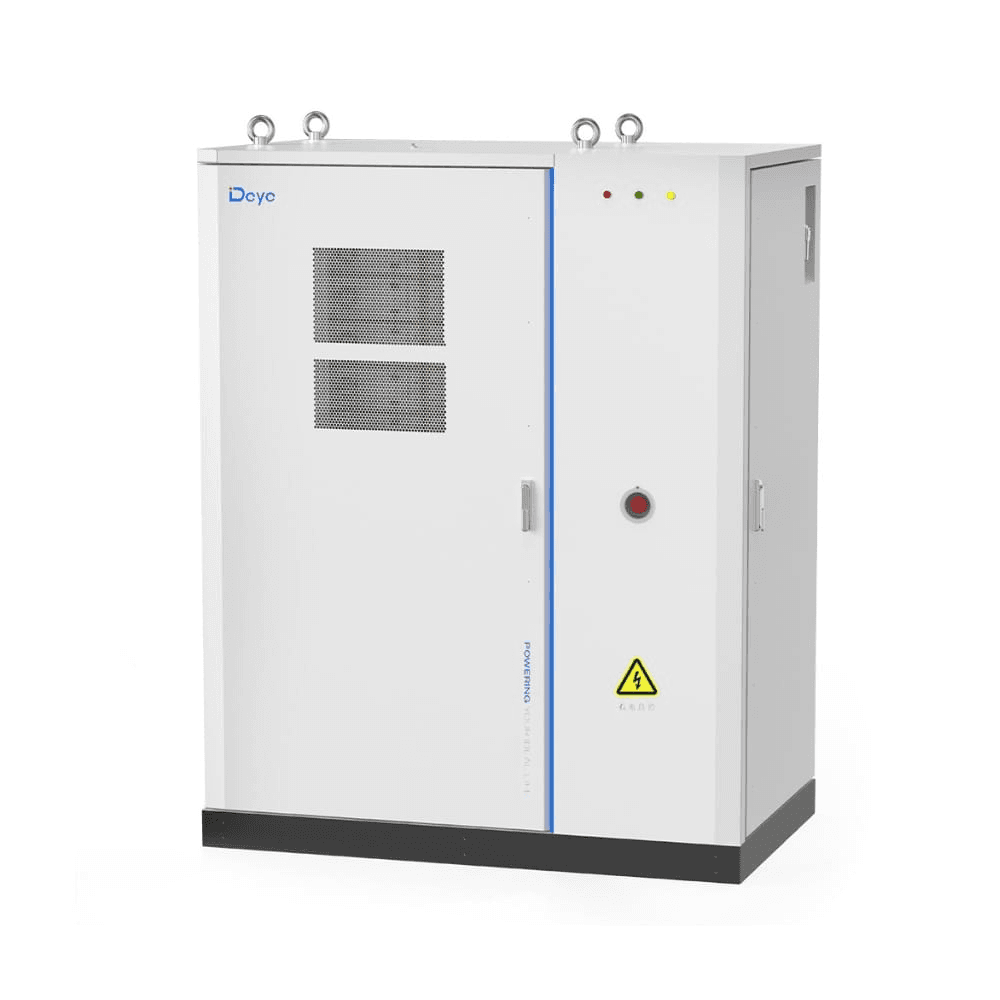
Placement, controls, backup scope, and monitoring are checked against the actual site.
Business fit
For a Melbourne business, the first useful conversation is usually simple: what is running while the sun is up, what the roof can realistically hold, and what would make the install or storage cabinet placement awkward for staff, tenants, or trading hours.
Commercial solar works best when the site already uses power while the sun is up: cool rooms, pumps, machinery, air conditioning, office equipment, or trading-hour demand.
Roof material, age, access, shade, skylights, switchboard location, and export limits can change both system size and the installation method.
The plan should respect trading hours, staff access, site safety, shutdown limits, tenancy approvals, and any future expansion or battery pathway.
Before quoting
The aim is not to make the enquiry form feel bigger. It is to remove the guesswork that creates weak commercial quotes: oversized systems, vague savings claims, or product choices that do not match the site.
This is where the commercial case starts. A bill is useful; interval data is better when the site has larger or seasonal loads.
A commercial quote should make the physical limits visible before product selection, especially on sheds, warehouses, and mixed-use roofs.
The best system on paper still needs to be practical for the business, landlord, staff, and install window.
Where it fits
A smaller shed with steady pumps, a workshop with daytime tools, or a shop with refrigeration can be a better fit than a large roof with poor self-consumption. The right layout depends on how the business actually runs.
Often about practical daytime load: pumps, machinery, cool rooms, tools, or site office power.
Usually driven by weekday load, roof access, switchboard capacity, and monitoring expectations.
Needs careful timing around trading hours, refrigeration, air conditioning, and disruption limits.
The commercial case often depends on tenancy terms, meter arrangements, and approval responsibility.
Planning pathway
The aim is to make the assumptions visible before approval: load, roof, products, staging, monitoring, exclusions, and the next practical step.
Bills, operating hours, tariff notes, and site goals are reviewed before system sizing.
Roof access, electrical constraints, safety needs, and install timing are checked early.
Panel layout, inverter capacity, monitoring, export settings, and storage-readiness are compared together.
The quote should show assumptions, inclusions, exclusions, monitoring access, and next steps.
Product pathway
Product choice depends on site size, electrical layout, export settings, monitoring, access, availability, warranty terms, and the business reason for adding storage.
Featured for sites where load, demand, resilience, and monitoring need to be reviewed together.
A commercial storage quote should separate confirmed facts from assumptions. Capacity, backup scope, controls, placement, and handover depend on the site.
The cabinet size and operating mode should be selected after the bill, load profile, electrical layout, and site constraints are reviewed.
Placement, access, ventilation, protection, cabling, switchboard path, and future maintenance need to be practical before quoting.
Panels, inverter pathway, storage controls, monitoring, export settings, and handover records should be reviewed together.
Daytime load, peak demand, tariff structure, and operating hours decide whether storage should be part of the commercial scope.
Cabinet location, electrical pathway, access, controls, backup expectation, and product availability are checked before the storage path is treated as suitable.
The recommendation should explain monitoring access, operating mode, product records, warranty notes, and the support path after commissioning.
The cabinet path is reviewed against the commercial load, site constraints, compatibility, monitoring, and handover requirements before a recommendation is made.
Before approval
Before work is booked, the business should be able to see what the savings estimate is based on, what is included, what still needs checking, and how the installation will affect normal operations.
Savings and incentives should be checked against actual site usage rather than broad payback claims.
The business should know how the work happens and what is handed over after commissioning.
Next step
The form can start the conversation. Use the notes box for business name, site type, operating hours, storage goals, access limits, tenancy details, or shutdown restrictions.