
Shift evening load
Review daytime surplus and evening use before estimating useful storage capacity.
Home battery storage
We check the current solar system, evening load, tariffs, switchboard capacity, backup expectations, and monitoring before recommending a compatible battery pathway.
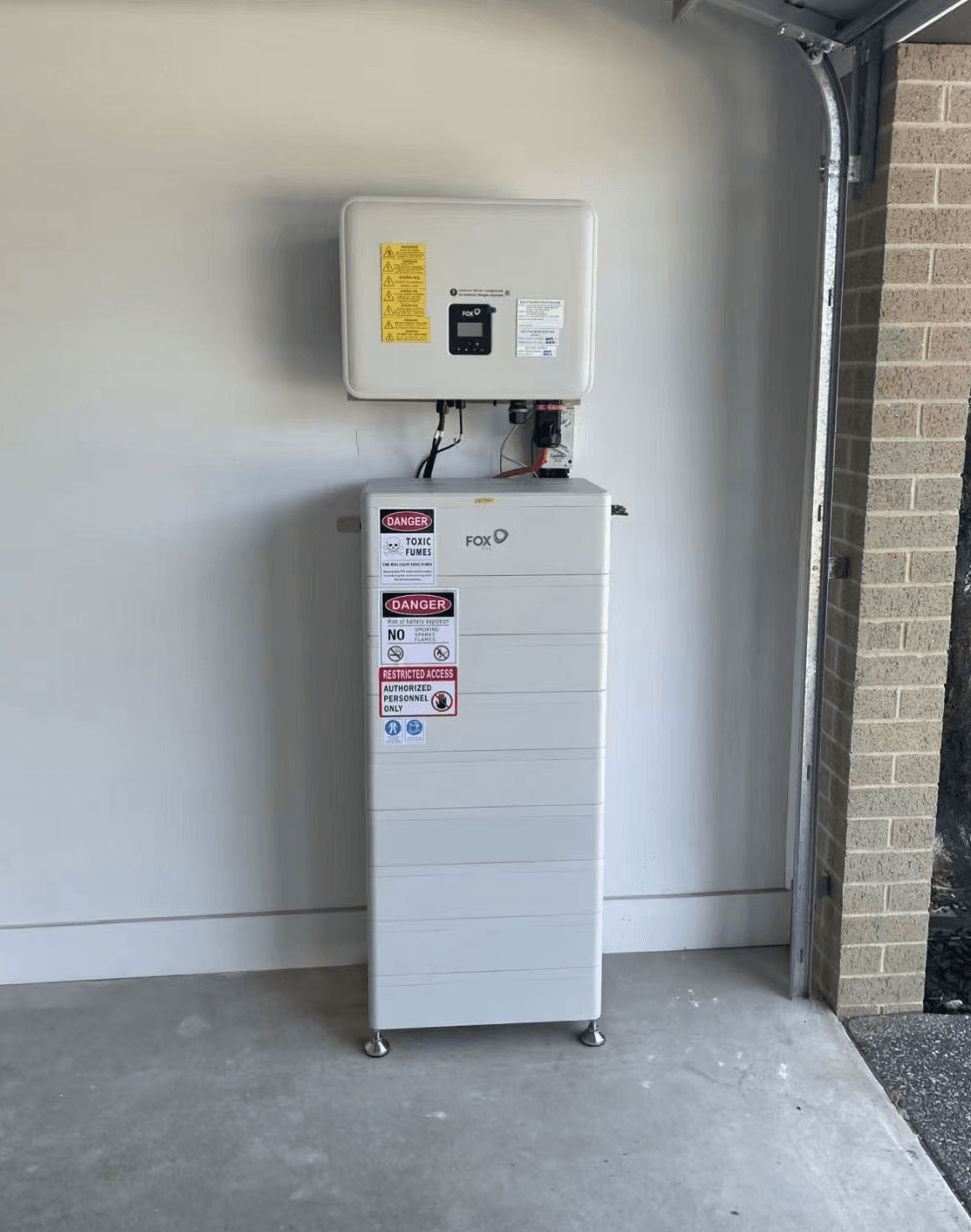
A visible set of assumptions makes the product recommendation easier to question and compare.
Battery fit
Capacity and product choice only become useful after the operating goal and the existing electrical system are understood.
Review daytime surplus and evening use before estimating useful storage capacity.
Define essential circuits, expected runtime, reserve settings, and the limits of backup operation.
Consider EV charging, electrification, tariffs, and possible solar expansion as part of the pathway.
Before quoting
These checks separate confirmed property facts from assumptions that still need site verification.
Bills, monitoring data, daytime surplus, evening load, and seasonal peaks.
Inverter pathway, array size, switchboard condition, metering, and available monitoring.
Selected circuits, large loads, reserve level, changeover behaviour, and practical runtime limits.
Charge windows, discharge behaviour, export settings, and any retailer plan assumptions.
Location, access, product records, warranty conditions, app setup, and handover ownership.
Decision path
Collect bills, existing system details, backup priorities, property photos, and timing.
Set the operating goal, compatibility path, site assumptions, and limits that need confirmation.
Present suitable product pathways with capacity, backup, monitoring, inclusions, and exclusions visible.
Confirm site details, install, test operating modes, connect monitoring, and hand over records.
Installed system
Placement, cabling, compatibility, configuration, app visibility, and records determine whether the battery remains understandable after installation.
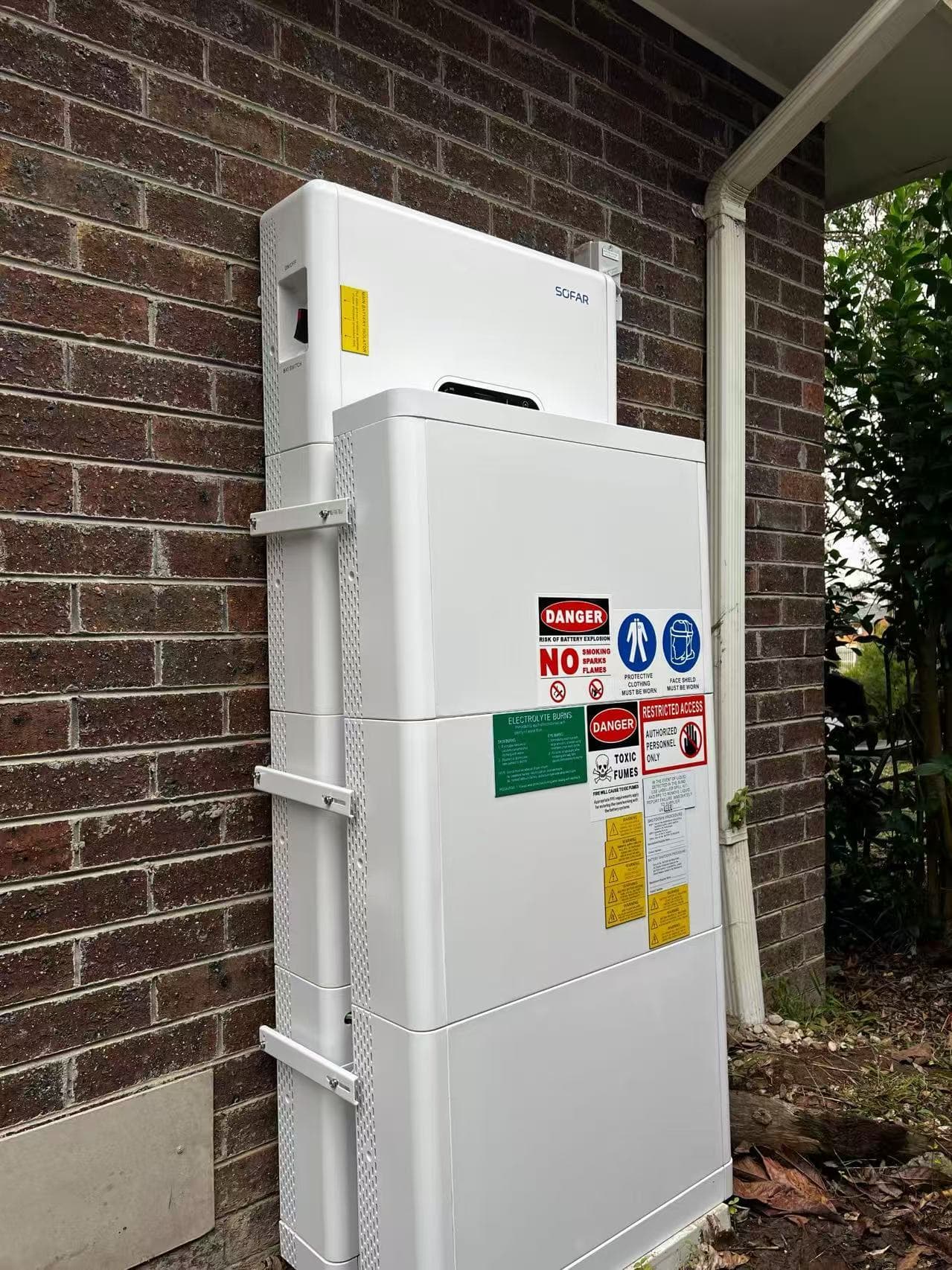
After handover
A useful handover explains energy flow, operating modes, backup limits, monitoring access, and the support route if behaviour changes.
Next step
You do not need to choose a brand or capacity before the first review.